Why Korean Sunscreens Feel So Different From Western Ones (and How to Pick One)
The first thing most people notice switching to a Korean sunscreen is how little it feels like sunscreen. That’s not marketing, it’s a real formulation difference rooted in different filter technology and cosmetic priorities, and it changes how to actually shop for one.
The Formulation Difference Behind the Feel
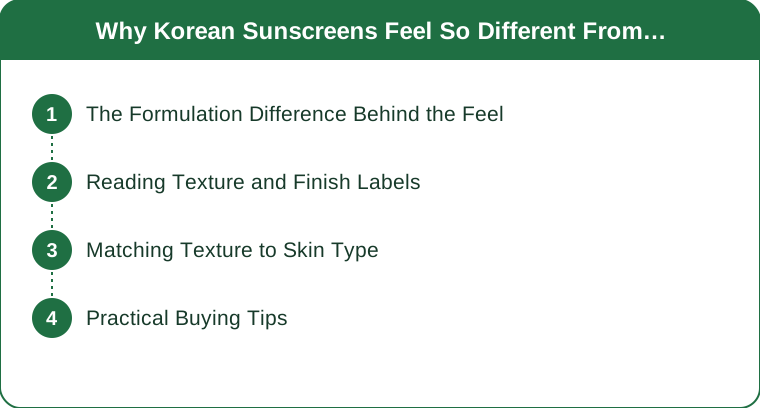
The technical reason: the the-filter-technology-gap (Korean sunscreen regulations permitting a wider range of modern chemical UV filters than some Western markets, allowing thinner, more cosmetically elegant formulations), the the-essence-like-base (many Korean sunscreens built on a watery or essence-like base rather than a thick cream base, prioritizing a lightweight finish as a core formulation goal), the the-layering-culture-influence (Korean skincare culture’s emphasis on multi-step layering pushing sunscreen formulation toward something that won’t pill or feel heavy under makeup).
Reading Texture and Finish Labels
The label vocabulary: the the-watery-fluid-type (a ‘watery’ or ‘fluid’ labeled sunscreen typically meaning the lightest, most makeup-friendly texture, suited to normal or combination skin), the the-milk-type-finish (a ‘milk’ texture sitting between watery and cream, offering slightly more hydration for drier skin without becoming heavy), the the-cushion-and-stick-formats (cushion compact and stick sunscreen formats existing specifically for quick touch-ups over makeup, a format less common in Western sunscreen lines).

Matching Texture to Skin Type
The selection logic: the the-oily-skin-fluid-pick (oily or acne-prone skin generally suited to the lightest watery or fluid formulas to avoid adding excess shine), the the-dry-skin-milk-pick (drier skin benefiting from a milk-type formula or one with added hydrating ingredients like hyaluronic acid built into the sunscreen itself), the the-sensitive-skin-mineral-filter-check (sensitive skin sometimes doing better with mineral-filter Korean sunscreens rather than chemical-filter ones, despite the latter being more common in the lightweight category).
Practical Buying Tips
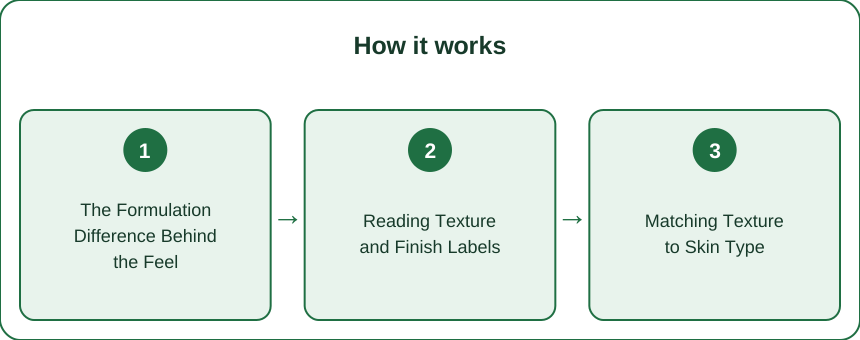
The shopping approach: the the-sample-before-full-size (buying a small or travel-size version first when trying a new formula, since texture preference is highly individual and samples avoid wasting money on a mismatch), the the-spf-and-pa-rating-check (checking both the SPF number and the PA rating, a separate scale specific to UVA protection common on Korean sunscreen labels, for full coverage information), and the frame (Korean sunscreens feel lighter due to real formulation differences in filters and base texture — matching the fluid, milk, or cushion format to your skin type matters more than any specific brand name.)
The lightweight feel that draws people to Korean sunscreens isn’t a texture trick, it comes from real differences in permitted UV filter technology and a cosmetic industry built around layering multiple products without feeling heavy by the third step. That’s genuinely useful information when shopping, because the texture labels — watery, milk, cushion, stick — map fairly reliably onto how a formula will actually feel and who it suits, rather than being arbitrary marketing terms. Oily skin generally does best with the lightest watery or fluid formulas, drier skin benefits from a milk-type texture, and sensitive skin sometimes prefers a mineral-filter option even within the lightweight category. The PA rating printed alongside SPF on most Korean sunscreen labels is worth checking too, since it measures UVA protection separately and isn’t always present on Western labels. Buying a sample size before committing to a full bottle is the simplest way to avoid a texture mismatch.
Keep Reading
This article is for general informational and styling purposes only. Fit, sizing, and product availability may vary.