Why Korean Skincare Routines Rely So Heavily on Patch Testing (and How to Actually Do It)
Quick Answer: Patch test new K-beauty products on your inner forearm for 48 hours before adding them to your face routine — with multi-step routines layering several actives at once, an unnoticed reaction is harder to trace back to a single product later.
A 7-step routine sounds great until something reacts and you have no idea which of the seven products caused it.

Why does patch testing matter more with multi-step K-beauty routines specifically?
Layering several new products at once makes it much harder to identify which one caused a reaction, compared to a simpler routine using just one or two products — this is the main reason patch testing gets emphasized so heavily in K-beauty specifically.
Many K-beauty products also feature fermented ingredients or higher concentrations of actives like niacinamide or acids, which, while generally well tolerated, still carry individual reaction risk worth checking before full-face use.
How should a patch test actually be done?
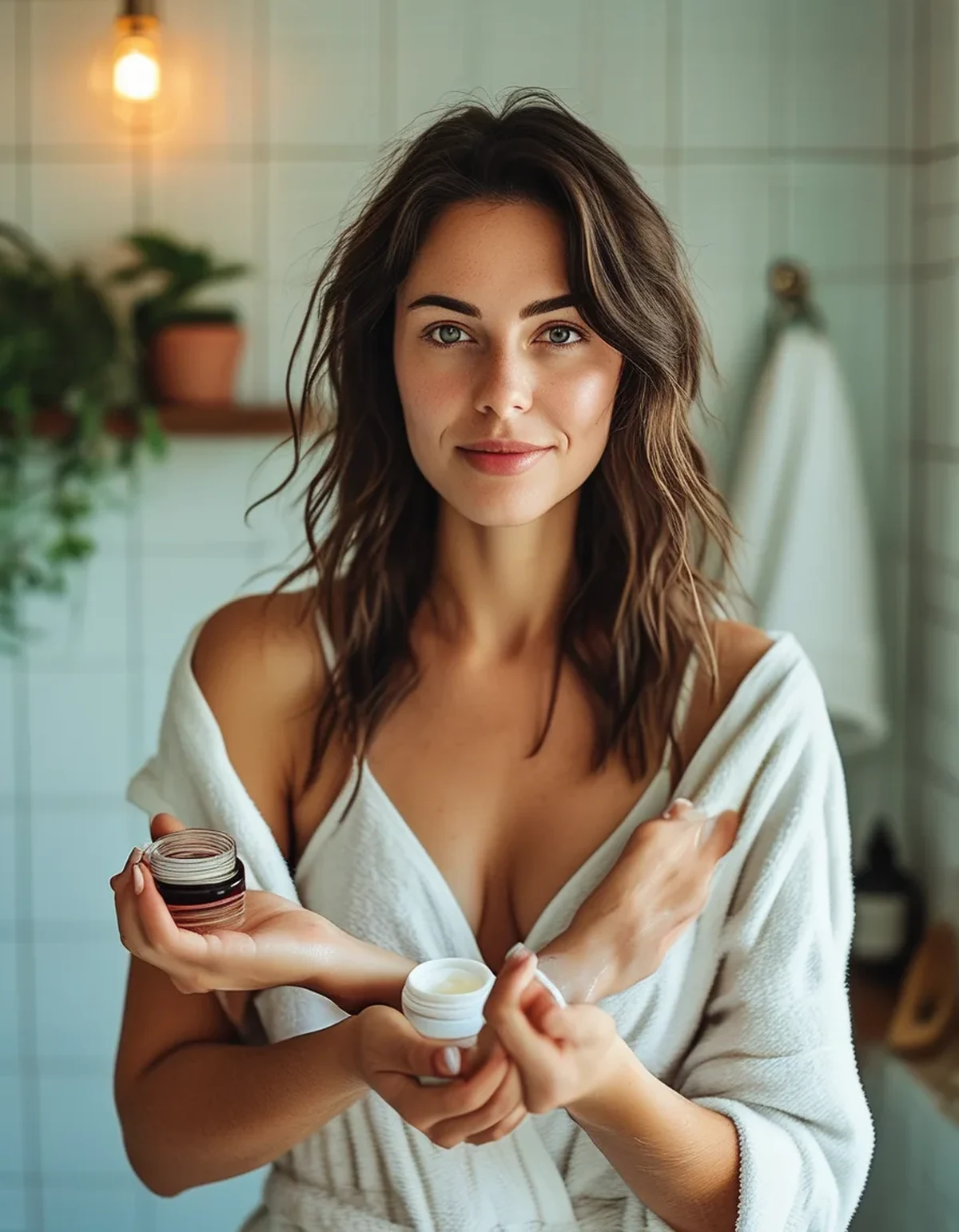
Apply a small amount to your inner forearm or behind the ear, then wait a full 48 hours without washing the area, checking periodically for redness, itching, or bumps.
Testing one new product at a time, even when introducing several new products to a routine, is the only way to reliably trace a reaction back to its source if one occurs.
What Nobody Tells You About Patch Testing
A patch test can look completely fine and a reaction can still show up after the product is used on the face for a few days — facial skin is often more reactive than forearm skin, so a clean patch test isn’t an absolute guarantee.
A practical middle ground many dermatologists suggest: after a clean 48-hour patch test, apply the new product to a small area of the face (like the jawline) for another few days before using it across the entire face.
Does this apply to all K-beauty products, or just certain types?
Actives — retinoids, acids (AHA/BHA), vitamin C, and strong fermented extracts — carry more benefit from patch testing than simple moisturizers or cleansers, since they’re more likely to cause a reaction in sensitive skin.
That said, layering even gentle products can occasionally cause reactions from the cumulative combination, which is part of why introducing new products one at a time, regardless of type, remains the safer approach.
FAQ: K-Beauty Patch Testing Questions, Answered
Do I need to patch test products I’ve used before without issues?
Generally no, unless the formula has changed or you’re using it after a long gap, since your skin’s tolerance can shift over time.
What should I do if a patch test shows a reaction?
Discontinue that product and, if the reaction is more than mild, consult a dermatologist rather than trying a workaround.
Is 48 hours always long enough?
For most reactions, yes, though some delayed sensitivities can take longer — if you have a history of reactive skin, extending the test to 72 hours adds a wider safety margin.
TL;DR:
- Multi-step routines make it harder to trace a reaction to one product, raising the stakes for patch testing
- Test on the inner forearm for 48 hours, one new product at a time
- A clean forearm patch test doesn’t fully guarantee facial tolerance — a jawline trial adds a safety layer
- Actives like retinoids and acids benefit from patch testing more than simple moisturizers
It’s an extra step before the fun part of trying new products, but it’s the one that prevents a bad week for your skin. This is general information, not medical advice.
Keep Reading
This article is for general informational and styling purposes only. Fit, sizing, and product availability may vary.