Why Your K-Beauty Routine Feels Wrong in a Dry Climate (It Was Designed for Humidity)
Quick Answer: Many K-beauty routines are built around Korea’s relatively humid climate, where lightweight, water-based layers absorb well and stay hydrating — in a genuinely dry climate, those same lightweight layers can evaporate too quickly, leaving skin drier than before, so heavier occlusive layers need to move up in priority.
You followed the exact routine from a K-beauty guide, step by step, and your skin still feels tight and dry by midday. The routine isn’t wrong — it just wasn’t built with your climate’s humidity level in mind, and that context usually isn’t mentioned in the guide itself.
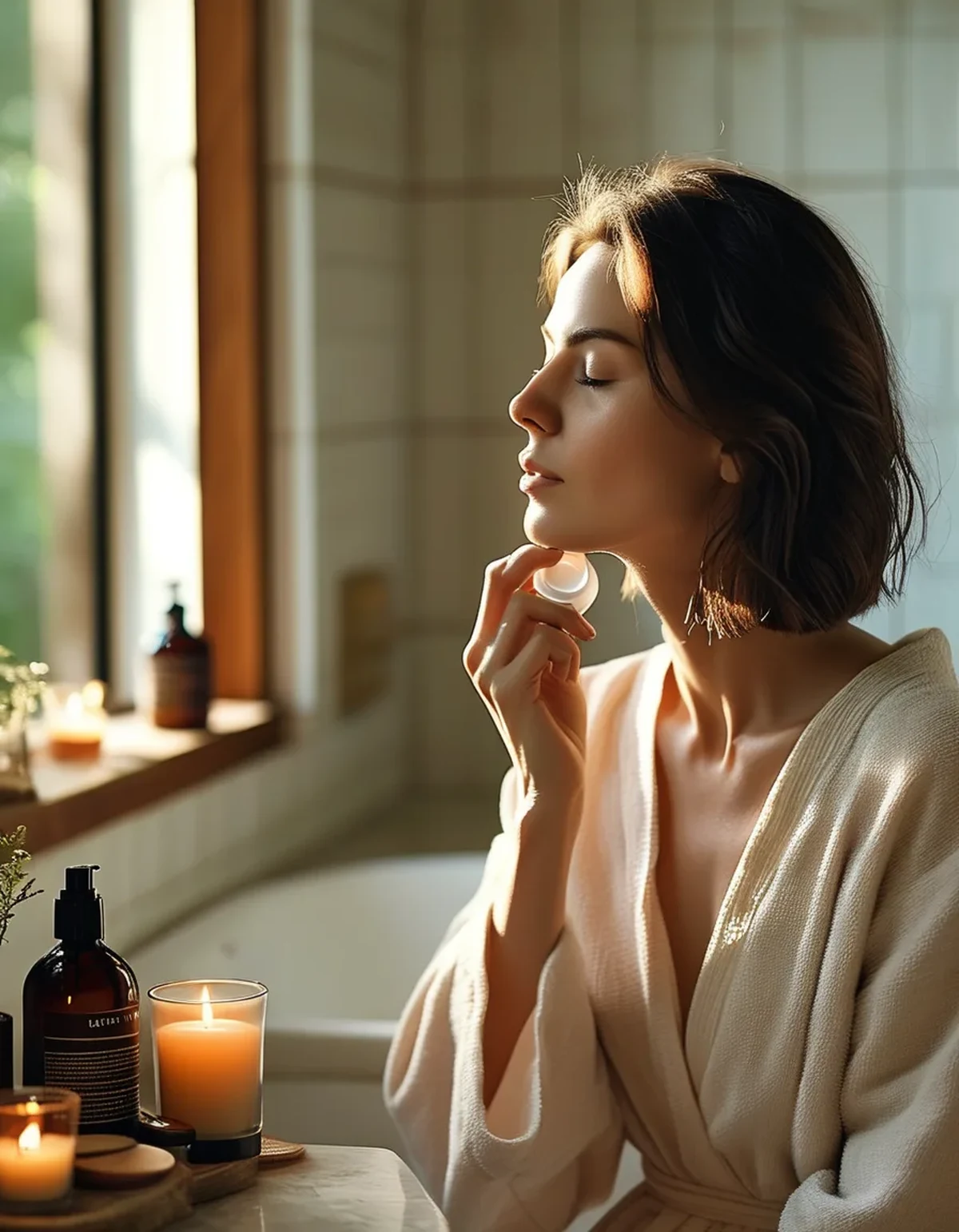
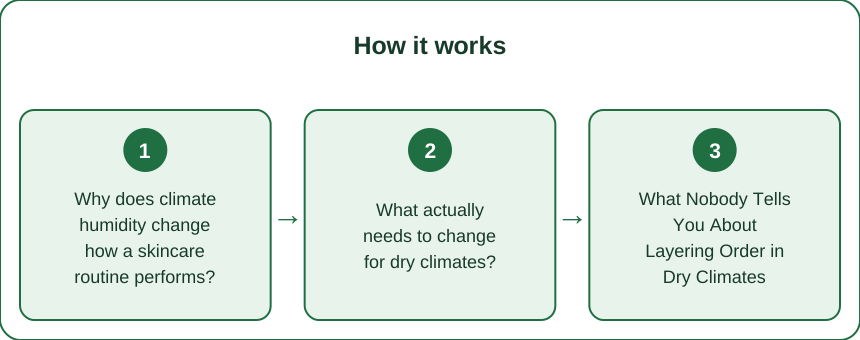
Why does climate humidity change how a skincare routine performs?
Lightweight, water-based Korean skincare layers (essences, light lotions) work partly by trusting ambient humidity to help hold moisture in the skin after application — in a humid environment, the air itself supports what the product started. In a dry climate, that same water-based layer can evaporate off the skin faster than it absorbs, actually pulling additional moisture from the skin surface as it evaporates (a real phenomenon called transepidermal water loss).
This is why a routine that feels perfectly hydrating during humid summer months, or for people living in naturally humid regions, can feel like it’s doing the opposite in a dry, low-humidity climate or during dry winter air.
What actually needs to change for dry climates?
Prioritizing occlusive, moisture-sealing layers (like a proper moisturizer or light facial oil applied as the final step) becomes more important in dry climates, rather than relying on lightweight essences and toners alone to carry the routine’s hydration. The lightweight layers still have value for delivering active ingredients, but they need a sealing layer on top to actually lock in that hydration without humidity’s help.
Humidifiers in the room where you apply skincare (and sleep) can meaningfully extend how well even lightweight layers perform, essentially recreating some of the ambient humidity the routine was originally designed around.
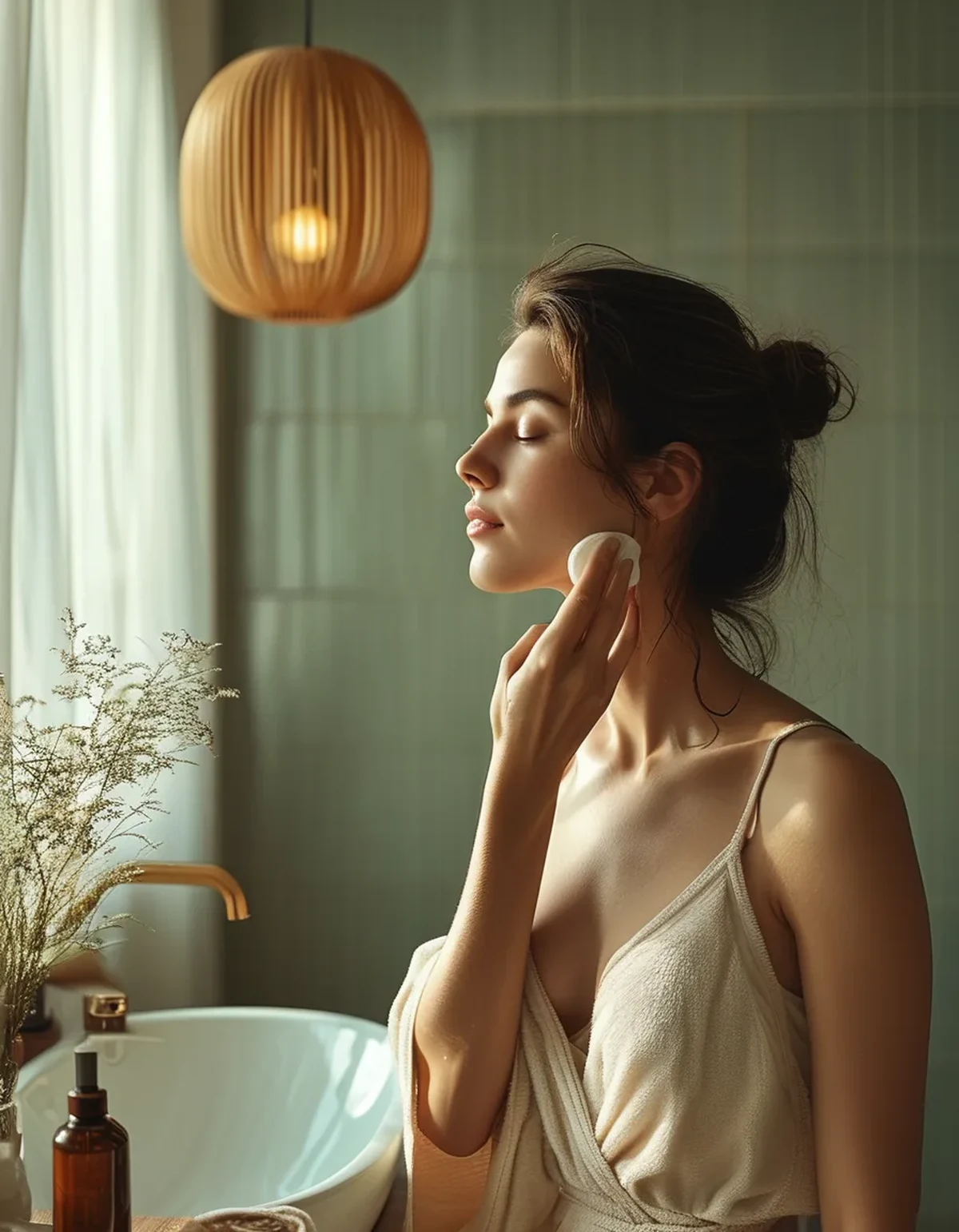
What Nobody Tells You About Layering Order in Dry Climates
Many K-beauty guides emphasize thin-to-thick layering (watery to oily) as an unbreakable rule, but in genuinely dry climates, some people find success applying a light facial oil between hydrating layers, not just at the very end, to slow evaporation of each layer before it has a chance to dry out on the skin. This is a climate-specific adjustment that most standard guides, written without a specific dry climate in mind, don’t mention.
Sheet masks, another K-beauty staple, can also behave differently in dry air — removing a sheet mask and not following immediately with a sealing moisturizer lets the applied hydration evaporate quickly in dry conditions, undoing much of the mask’s benefit within minutes.
5 Mistakes People in Dry Climates Make With K-Beauty Routines
1. Skipping a proper moisturizer, assuming layered essences alone are enough hydration.
2. Not using a facial oil or occlusive layer as the final step.
3. Removing a sheet mask without immediately sealing in the hydration afterward.
4. Ignoring the room’s humidity level entirely, focusing only on product choice.
5. Assuming the routine ‘isn’t working’ rather than adjusting for climate mismatch.
FAQ: K-Beauty and Dry Climate Questions, Answered
Should I skip lightweight essences entirely in a dry climate?
No — they still deliver useful hydrating and active ingredients, they just need a sealing layer on top to actually stay locked in without ambient humidity’s help.
Does a humidifier really make a measurable skincare difference?
Many people report noticeably less tightness and flaking when using a humidifier regularly, especially overnight, alongside their existing routine.
Are heavier Western-style moisturizers a good substitute in dry climates?
They can work well as the final sealing step layered on top of lighter Korean essences and toners, combining the benefits of both approaches.
TL;DR:
- K-beauty’s lightweight layering assumes humidity that isn’t present in dry climates
- Prioritize a proper moisturizer or facial oil as a sealing final step in dry air
- A humidifier can meaningfully help lightweight layers perform as originally intended
- The routine likely isn’t failing — it may just need a climate-specific adjustment.
Keep Reading
This article is for general informational and styling purposes only. Fit, sizing, and product availability may vary.