The Seven-Skin Method: K-Beauty's Hydration Layering, Explained
Quick Answer: The seven-skin method layers a watery hydrating toner multiple times, pressing each thin layer in and waiting about 30 seconds before the next, then sealing with moisturizer. Three layers is the everyday sweet spot; seven is for dry climates or special occasions. The toner must be plain and humectant — never exfoliating or fragranced, since layering multiplies irritation as effectively as it multiplies hydration.
“Skin” is the Korean word for toner, so the seven-skin method is exactly what it sounds like: applying toner seven times in a row.
It sounds like marketing arithmetic. It sounds like a way to sell more toner.
Then someone with genuinely dehydrated skin tries three layers, and within a week they’re insufferable about it in the group chat. Here’s why it works and what the sensible dosage actually is.
Why Do Multiple Thin Layers Work Better Than One?
Because skin absorbs water at a limited rate, and dumping more on at once doesn’t speed it up.
Apply a thick layer of watery product and most of it sits on the surface and evaporates. Apply a thin layer, let it absorb for thirty seconds, then apply another — and each layer gets fully taken up before the next arrives. You end up building a moisture reservoir in the upper layers of skin that the moisturizer then seals in.
It’s irrigation engineering, not skincare mysticism: drip beats deluge. Anyone who’s watered a dried-out potted plant knows the principle — pour a glass in fast and it runs straight out the bottom; add it slowly and the soil actually takes it.
The humectants doing the work — glycerin, hyaluronic acid, panthenol, beta-glucan — pull water into the stratum corneum and hold it there. Each layer adds more humectant and more water for it to hold.
How Do You Actually Do the Seven-Skin Method?
Four steps, and the toner choice is the one that can’t be compromised.
1. Choose a hydrating toner — never an exfoliating one. This matters absolutely. Korean “skin” products are watery hydrators. Western “toners” are frequently astringent or acid-based, and layering an AHA/BHA toner seven times is a genuinely bad idea. Read the ingredients: you want glycerin, hyaluronic acid, or panthenol near the top and no acids, no alcohol denat, and ideally no fragrance.
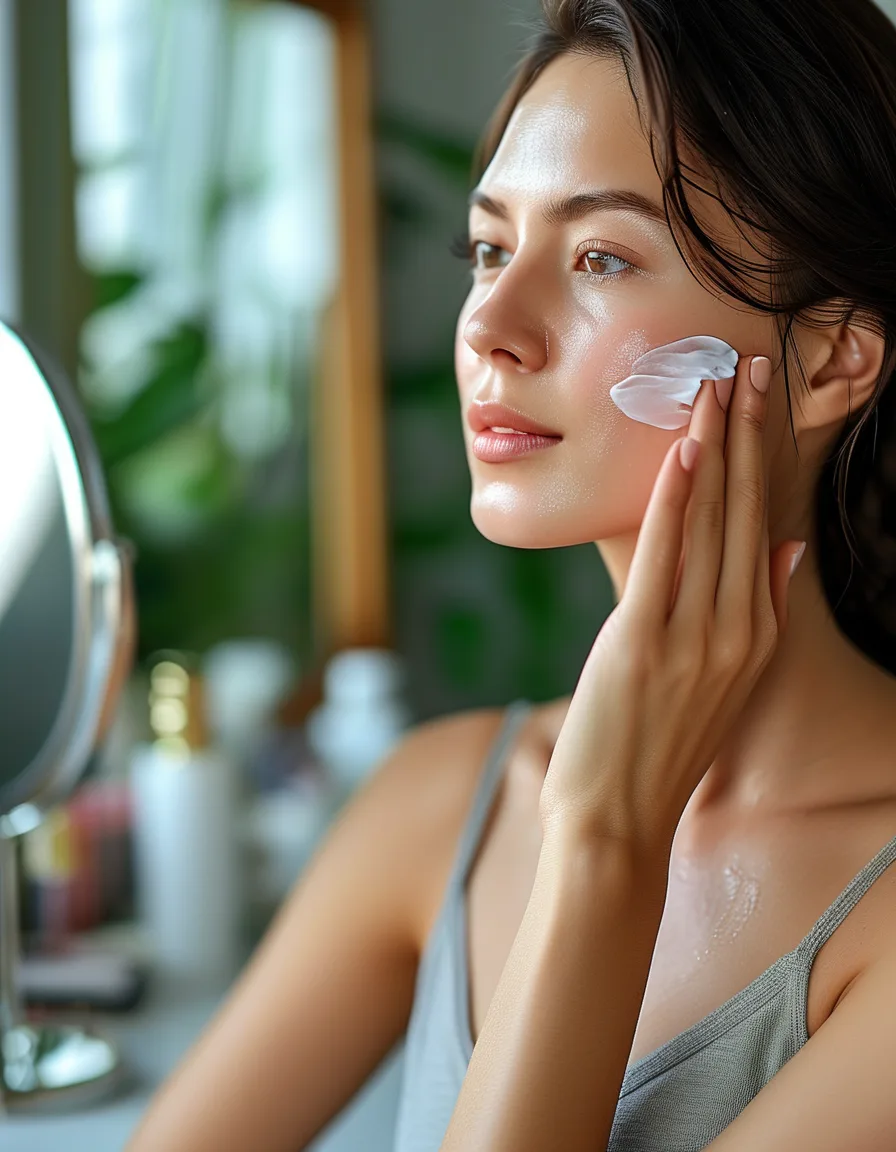
2. Apply with your palms, not a cotton pad. Pour a small amount into your hands, press it gently into the face. Cotton pads absorb most of the product and add friction you don’t need.
3. Press a thin layer, wait about 30 seconds, repeat. The waiting is the method. If your face still feels wet, wait longer.
4. Seal with moisturizer. Non-negotiable. Humectants draw water in, and without an occlusive layer on top, that water evaporates and can leave skin drier than it started — particularly in low humidity.
Three layers is the everyday sweet spot. Seven is the special-occasion or desert-climate flex. Starting at seven is how people conclude the method doesn’t work for them.
Who Should Try Hydration Layering?
Four situations where it earns its time:
- Dehydrated skin. Tight after cleansing, dull, fine lines that look worse in the afternoon, product that disappears the moment you apply it. Dehydration is a water problem and it’s distinct from dryness, which is an oil problem — you can be oily and dehydrated at once.
- Dry climates and AC season. Indoor air conditioning in summer and heating in winter both strip humidity. Layering is a direct counter.
- Pre-makeup prep. Plumped skin takes foundation dramatically better — less settling into texture, less patchiness through the day. This is the fastest way to see whether the method does anything for you.
- Oily-dehydrated skin — the confusing combination — often benefits most. It’s hydration with no added heaviness, which is exactly what skin that’s overproducing oil in response to dehydration needs.
Who it’s less useful for: skin that’s genuinely comfortable and balanced already, and anyone whose main concern is oil rather than water. It’s also a poor fit for very reactive skin, where fewer products is usually the better answer.
What Nobody Tells You About the Seven-Skin Method
Fragrance and acids multiply by seven too. Whatever’s in the toner, you’re now applying seven times as much of it. A lightly fragranced toner that was fine as a single layer can become a problem at volume. Plain, watery, humectant — that’s the whole spec.
There’s an absorption ceiling and you can feel it. When your face stops drinking — when a layer sits there for a minute instead of sinking in — stop. Pouring past that point just evaporates. The glow lives at “enough,” not at “seven.”
Humectants without an occlusive can backfire in dry air. Hyaluronic acid pulls water from wherever it can get it, including deeper in your skin, if the ambient humidity is low and nothing’s sealing the surface. Always moisturize after. This is the single most common way people get worse results from a “hydrating” routine.
It takes about four minutes, which is the real reason most people do three layers rather than seven. Thirty seconds between layers adds up, and a routine you skip is worse than a shorter one you do.
A humidifier does a lot of the same job passively. If you’re layering toner every night to fight dry indoor air, the appliance is competing well on effort.
If you have eczema, rosacea, or persistently irritated skin, run a new multi-step routine past a dermatologist first — more product contact isn’t automatically gentler, even when every product is mild.
Mini FAQ
Can you use any toner for the seven-skin method?
No — it has to be a hydrating toner. Exfoliating toners (with AHAs, BHAs, or witch hazel), astringents, and alcohol-heavy formulas will irritate or over-strip when layered. Look for a watery texture and humectants like glycerin, hyaluronic acid, or panthenol high in the ingredient list.
How many layers should a beginner start with?
Two or three. Build up only if your skin still feels like it wants more after a week. Most people find three is where the benefit plateaus for daily use, and going higher mainly matters in very dry conditions.
Does the seven-skin method cause breakouts?
The method itself doesn’t, but the product might — layering multiplies whatever’s in the bottle, including fragrance, silicones, or heavier ingredients that don’t suit you. If you break out, the toner is the variable to change, not the technique.
TL;DR:
- Multiple thin layers absorb where one thick layer evaporates — drip beats deluge.
- Use a plain watery humectant toner. Never exfoliating, ideally fragrance-free.
- Palm-press a thin layer, wait 30 seconds, repeat. Three layers daily; seven for dry climates.
- Always seal with moisturizer — humectants without an occlusive can leave skin drier in dry air.
- Stop when your skin stops absorbing. The glow lives at “enough,” not at seven.
Thin watery toner, pressed in threes, sealed with moisturizer. The seven-skin method was always irrigation, not arithmetic — and dehydrated skin, at layer three, finally stops feeling like a raisin with a routine.
Keep Reading
This article is for general informational and styling purposes only. Fit, sizing, and product availability may vary.