Fermented Skincare Ingredients, Explained: What Fermentation Actually Does to a Formula
Quick Answer: Fermentation breaks down an ingredient’s larger molecules into smaller, more bioavailable compounds using beneficial bacteria or yeast, which generally means better skin absorption and a byproduct of skin-friendly acids and antioxidants — not a marketing buzzword, but a real chemical process with measurable effects.
Fermented skincare sounds trendy, but the science behind it is genuinely older and more established than the K-beauty branding suggests.

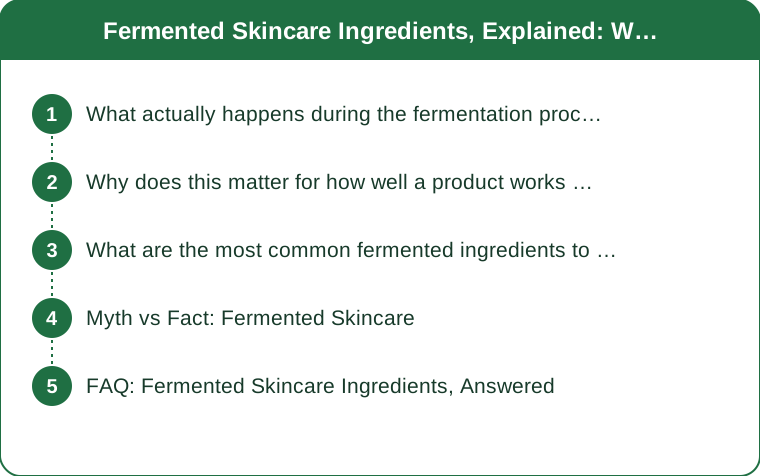
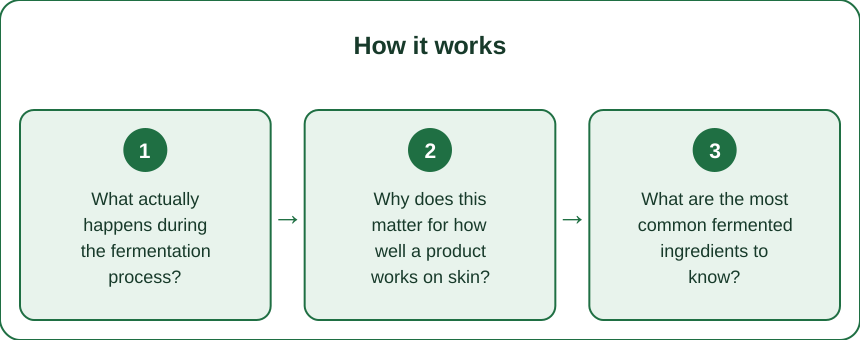
What actually happens during the fermentation process?
A raw ingredient — rice water, soybean, green tea — is exposed to beneficial microorganisms (often specific yeast or lactobacillus strains) that break down its larger molecules into smaller components. This process also produces byproducts like lactic acid, amino acids, and antioxidant compounds that weren’t present in the raw ingredient.
Why does this matter for how well a product works on skin?
Smaller molecules generally absorb into skin more easily than their larger, unfermented counterparts. This is the core practical benefit — a fermented rice extract can penetrate more effectively than raw rice water, delivering more of its nutrients where they’re actually used.
What are the most common fermented ingredients to know?
Galactomyces (a yeast ferment filtrate, common in “essence” products) for brightening and texture; fermented soybean (bio-fermentation) for antioxidant support; and fermented green tea for a gentler, more absorbable form of green tea’s antioxidants than the unfermented extract.
Myth vs Fact: Fermented Skincare
Myth: Fermented means the product will smell or feel like alcohol. Fact: Skincare fermentation uses food-safe processes closer to yogurt-making than alcohol brewing — most fermented essences are odorless or lightly earthy.
Myth: All fermented ingredients work identically. Fact: The specific strain and ingredient fermented change the resulting benefits significantly — galactomyces and fermented soybean don’t do the same thing.
Myth: Fermented skincare is a new K-beauty invention. Fact: Fermentation in skincare and food preservation predates modern K-beauty by centuries; K-beauty popularized it globally, but didn’t invent the science.
FAQ: Fermented Skincare Ingredients, Answered
Is fermented skincare safe for sensitive skin?
Generally yes, and often gentler than unfermented actives at similar potency, but patch-test any new product regardless of the fermentation claim.
Does fermented skincare replace the need for retinol or vitamin C?
No — fermented ingredients complement rather than replace proven actives; think of them as supporting absorption and gentleness, not a direct substitute.
How do I know if a product is genuinely fermented versus just marketed that way?
Check the ingredient list for terms like ‘ferment filtrate’ or ‘bio-fermented’ near the top of the list — buzzwords on packaging without those specific ingredient names are a red flag.
TL;DR:
- Fermentation breaks ingredients into smaller, more absorbable molecules using beneficial microorganisms
- The process also creates beneficial byproducts like lactic acid and antioxidants
- Galactomyces, fermented soybean, and fermented green tea are the most common examples
- Check ingredient lists for ‘ferment filtrate’ to confirm a product is genuinely fermented
It’s a real process with a real mechanism — not just a K-beauty marketing word.
Keep Reading
This article is for general informational and styling purposes only. Fit, sizing, and product availability may vary.